Why Your Shower Curtain Clings to You: Plastic or Fabric?
The 7 AM cold wet slap. We’ve all been there—standing in the shower, trying to wake up, when your flimsy plastic curtain decides it has “emotional attachment issues.” It billows inward, sticking to your damp skin like a haunted sheet. Suddenly, your morning ritual is a tactical struggle against a three-dollar piece of vinyl.
Overview
- Why does my shower curtain keep sticking to my legs?
- How to stop water from leaking onto the bathroom floor
- What is the best thickness for a plastic shower liner?
- Can I actually wash a PEVA shower curtain in the machine?
- The Verdict: Is a “premium” plastic liner worth the extra cost?
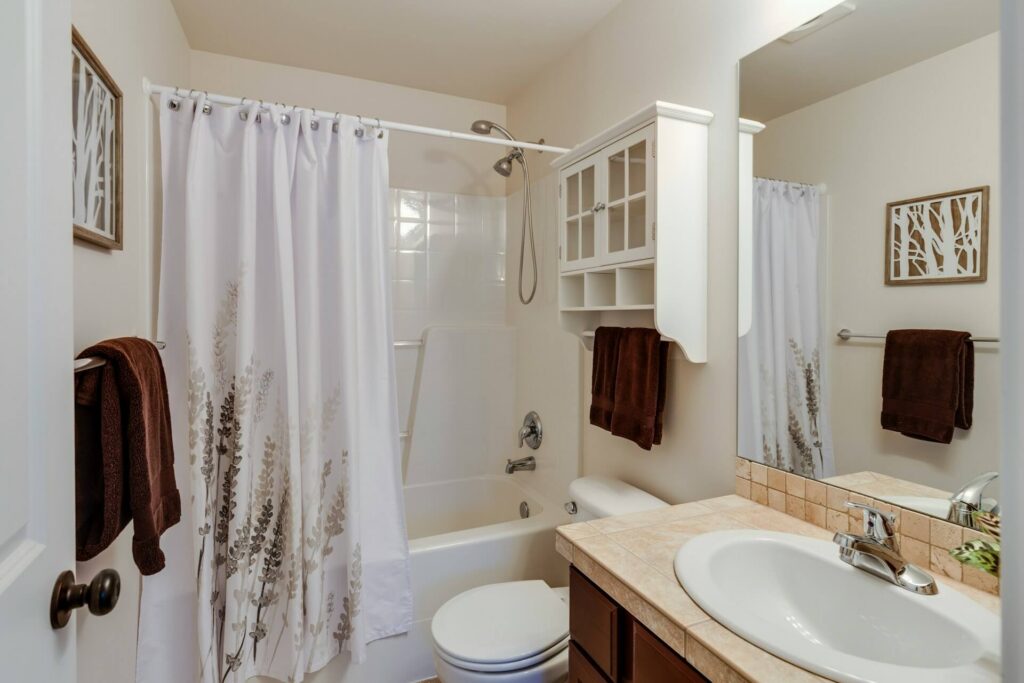
Why does my shower curtain keep sticking to my legs?
This phenomenon is actually a lesson in physics—specifically Bernoulli’s principle. As warm water flows, the air inside the shower moves faster, creating lower pressure. The higher-pressure air outside then pushes the curtain inward. To solve this, you need more than just hope; you need weight. Premium PEVA liners integrate heavy-duty magnets or weights along the bottom hem. These anchors keep the curtain vertical and break the “billow” effect. Even the thickest 10-gauge material needs these weights to resist the steam updraft of a hot shower.
The Hidden Lesson: If your liner is still billowing despite magnets, ensure your shower head isn’t angled in a way that creates a localized “wind tunnel” effect.
How to stop water from leaking onto the bathroom floor
Many “failures” in the shower curtain category aren’t about the plastic itself, but the length. A standard liner is 72×72 inches, but the real secret is the overlap. If you have any water escaping, look at the rivets at the ends. High-quality liners often include extra inches of width (like 78-inch variants) or specifically reinforced grommets that allow the curtain to hang perfectly flat against the tub walls. The tactile feel of a medium-thickness liner is key—it’s flexible enough to seal against the ceramic yet heavy enough to stay put.
What is the best thickness for a plastic shower liner?
The “gauge” of a shower liner (usually 8g or 10g) is the industry standard for thickness. While some brands label 8-gauge as “heavy duty,” true investigative logic suggests 10-gauge is the sweet spot for longevity. Anything thinner feels flimsy and is prone to tearing at the grommets. However, 10-gauge provides that “cloth-like” drape that doesn’t feel scratchy if you brush against it.
Pro-Tip: Look for rust-proof metal grommets. Plastic-only holes are a countdown to a rip, no matter how thick the PEVA is.
Can I actually wash a PEVA shower curtain in the machine?
Longevity in the bathroom is about fighting soap scum and mildew. Most premium PEVA liners are technically machine-washable on a cold, gentle cycle. The “Hidden Lesson” here: never, ever put them in the dryer. The heat will melt the non-toxic PEVA, stripping its waterproof finish or worse—ruining your appliance. To keep your liner running for years, wipe it down with a damp cloth once a week and ensure it’s spread out fully after each shower so it can dry effectively. If it starts looking “haunted” or yellowed, it’s likely because it was left bunched up, trapping moisture.
The Verdict: Is a “premium” plastic liner worth the extra cost?
The value proposition for a higher-end PEVA liner isn’t just about the material—it’s about time. A five-dollar “cheapie” will likely need replacing or intensive scrubbing every few weeks as it accumulates mildew. A premium liner, handled with care (cold washes, hang-to-dry), can last over five years. When you factor in the saved frustration of the “7 AM slap” and the dry bathroom floor, the investment pays for itself within the first month.